
Where they started
When a patient in Toronto asked ChatGPT or Google AI Overview where to get one of this clinic’s core treatments, the clinic wasn’t in the answer. Not third, not fifth. Absent.
The reason had nothing to do with the quality of their work. The machines were finding conflicting facts. The website said one thing about their services, their Google profile said another, and reviews on a popular directory said something completely different. One surface suggested they offered a treatment; another mentioned different treatments the doctors offered at their previous location. When an AI engine can’t confirm what a clinic actually offers, it doesn’t guess. It skips you and names a clinic it can verify.
You could see it in the numbers. For the six to eight months before this engagement, the clinic’s traffic from AI search tools sat flat at around fifty visits a day. Flat lines don’t fix themselves.
What we found
Three things explained most of it. The clinic’s public footprint disagreed with itself: across 5 profiles and directories we found 10+ factual inconsistencies in service lists, hours, and naming, which gives an engine a reason to distrust everything. The treatment pages described services in the clinic’s own words instead of answering the questions patients actually type, with none of the structure machines read. And third-party listings were outranking the clinic’s own pages as the source of truth, because AI search tools tend to trust an independent source over a business describing itself.
What we did
To get them found, we ran a complete public footprint cleanup in 14 days, including their website: one set of facts on every surface a machine checks. 3 profiles consolidated, 2 major directory listings corrected, service lists and hours matched everywhere to the site. Then we rebuilt treatment pages around real patient questions and added the structure AI engines parse, so the next time a machine checked what this clinic offers in Toronto, every source agreed.
Alongside the cleanup, search-focused content began publishing in the same window. Both feed the AI search numbers below, and we’d rather tell you that than pretend one lever did everything.
The booking flow itself was untouched in this phase. That matters for reading the results honestly.
What changed
In just two months:
| Metric | Before | After | Measured how |
|---|---|---|---|
| AI recommendations for their focus treatment in Toronto | Not named | Top 3 | A fixed set of prompts on ChatGPT and Google AI Overview, screenshots on file |
| Daily traffic from AI search tools | ~50/day, flat for 6 to 8 months | 776%, and climbing | Site analytics, daily, from 2025 to July 2026 |
| Consult form submissions | 49/month | 58/month (+18%) | Website forms, first 30 days post-cleanup vs the 30 before |
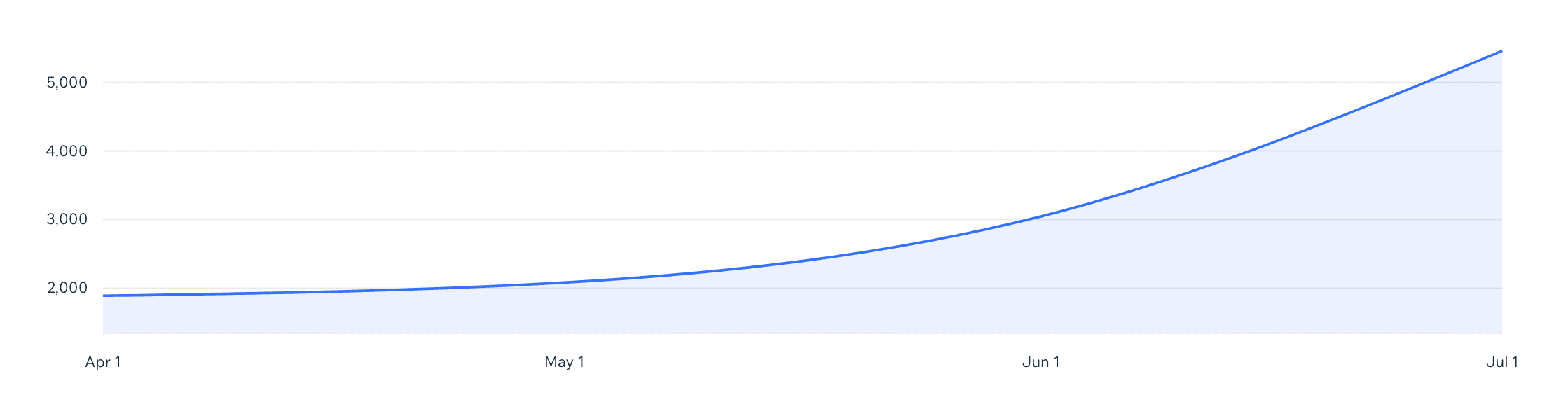
These are first-snapshot numbers, and they’re still climbing. We update this page as they compound. Last updated July 2026.
What the owner says
“We’re getting a lot more consultation requests from people who say they found us on ChatGPT. This is normally our slowest season, so being this booked in the middle of summer tells us Ownerized’s visibility work is doing something real.”